Energy efficiency for Steel plants, route by route.
An EAF minimill and an integrated blast-furnace route have almost nothing in common on energy intensity. Benchmarking one against the other produces a number that means nothing to either site. Each route needs its own baseline.

What we track for Steel producers
Specific energy per tonne only means something when it is compared against the right baseline: the same production route and the same product mix.
- Specific energy per tonne of crude steel, segmented by production route
- Scrap charge ratio tracked alongside energy, since the two move together
- Electricity and fuel gas kept separate so an EAF site isn't compared to a blast furnace
- Reheating furnace fuel and rolling-mill electricity per tonne
- Electricity demand and load profile for arc furnaces
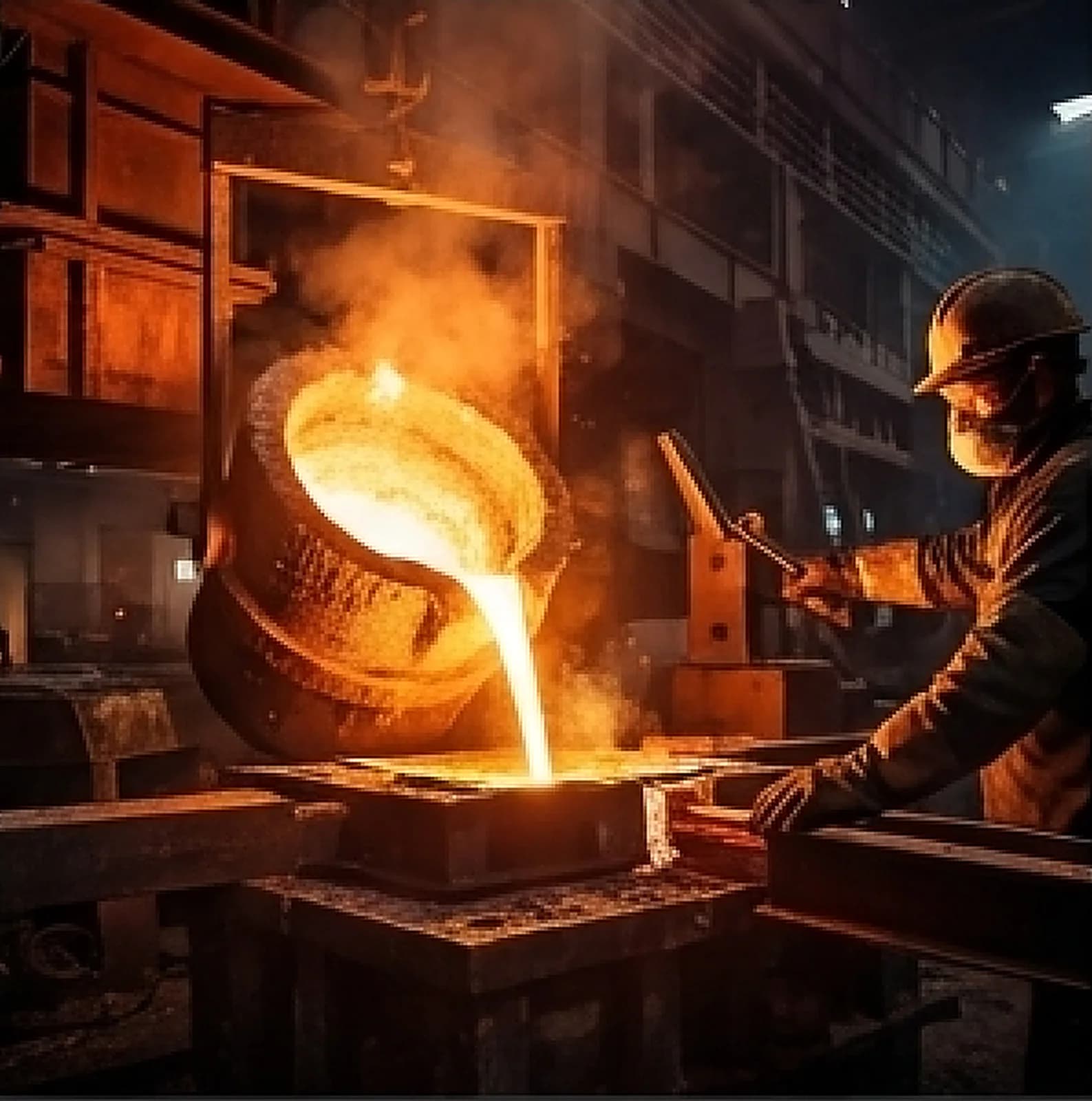
How Envera helps Steel plants
Energy audit & baseline
We audit furnaces, reheating, rolling and utilities, and build a separate baseline for each production route.
Monitoring & EnPIs
The platform tracks specific energy per tonne and scrap charge ratio, segmented by route.
ISO 50001
We implement an ISO 50001 energy management system around your Significant Energy Uses and prepare you for certification.
Emissions accounting
Scope 1 and Scope 2 emissions are calculated from the same data, with electricity and fuel gas kept separate.
Training
Your production and energy teams learn to run the system and sustain the savings.